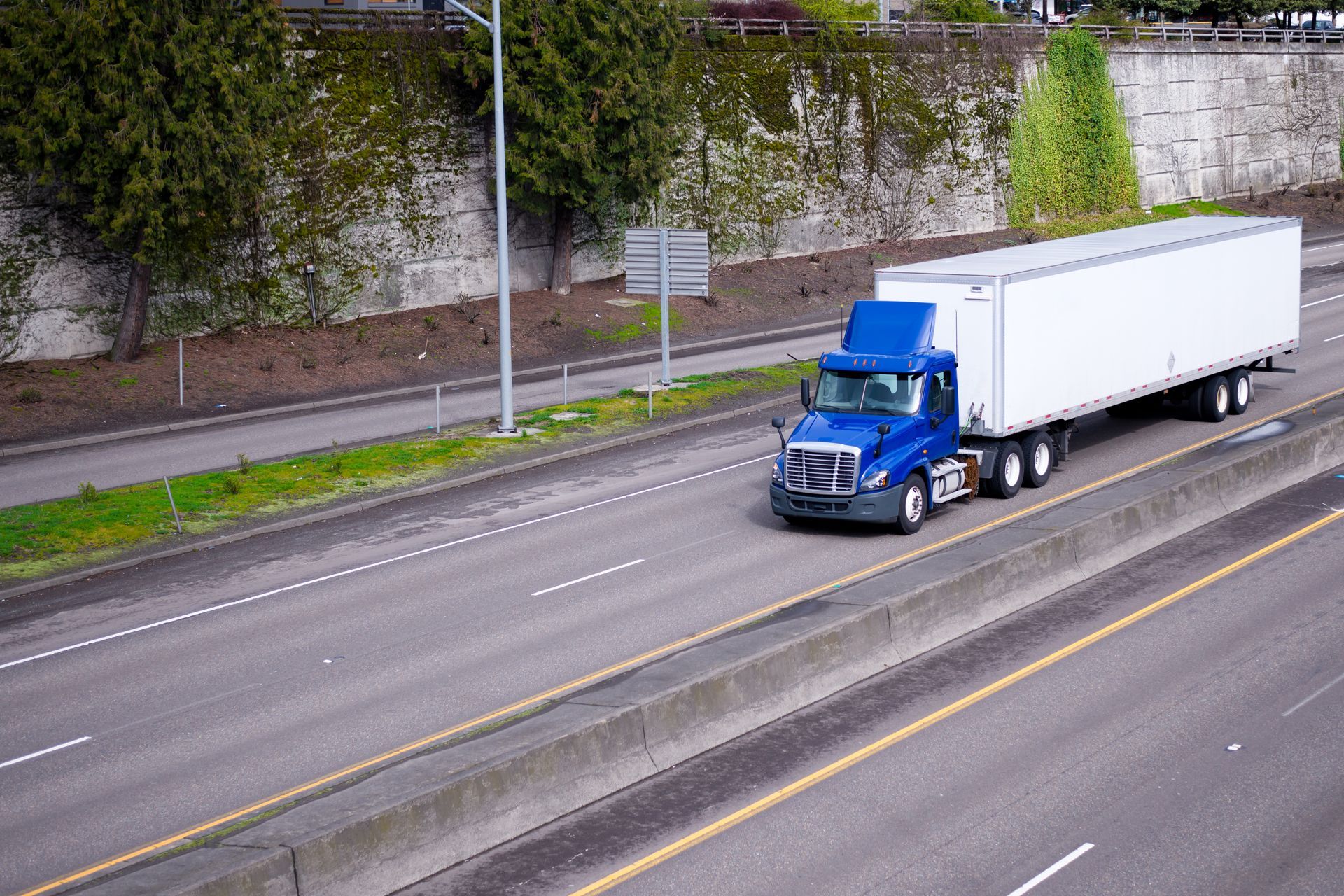
The True Logistics Reality of Trans-City Long-Distance Moving
Hauling your entire life across the province involves intense planning and realistic timeline expectations. Many homeowners think a massive highway relocation happens just as fast as driving a personal car down the highway. At 3D Moving Ltd, we handle complex routes every day and know exactly what it takes to execute trans-city long-distance moving safely. We want to give you an honest look at how heavy cargo logistics actually work in the real world.
Assuming a fully loaded commercial truck operates on a standard commuter schedule leads to massive frustration on moving day. Professional drivers must navigate strict weight scales, unpredictable weather, and mandatory rest periods. We outlined the true physical realities of a major relocation so you can plan your arrival perfectly. Understanding these logistical boundaries ensures you start your new chapter without any stressful surprises.
What We Cover In This Article
- The Honest Truth About Highway Transit Times
- Overestimating Truck Capacity and Weight Limits
- How Road Vibrations Affect Your Cargo
- Frequently Asked Questions
The Honest Truth About Highway Transit Times
Driving a heavily loaded commercial vehicle takes significantly longer than cruising in a passenger car. Transport trucks accelerate slowly and require massive stopping distances, which naturally lowers their average highway speed. Our drivers also have to account for mandatory safety checks and weigh station stops along the major provincial routes.
→ From a professional standpoint: Expecting a commercial moving truck to match your digital driving app estimates will always leave you waiting at the new house.
Overestimating Truck Capacity and Weight Limits
A very common overestimation homeowners make is assuming every single household item can be crammed into one load regardless of weight. Transport trucks have strict legal weight limits dictated by provincial transportation authorities. If a truck exceeds its gross vehicle weight rating on the highway axles, it is illegal to drive and highly dangerous. Packing heavy items like tool chests and solid wood furniture eats up that weight allowance incredibly fast.
→ A quick tip to remember: Decluttering your heavy garage items and old appliances before the truck arrives keeps you well within the safe legal weight limits of the haul.
Managing these heavy loads and keeping the schedule intact takes a highly experienced crew working together. This is something clients notice firsthand when we handle their major relocations to Ottawa and beyond.
► Client Experience: Margaret McNamee shared "Roberto and his crew were as described, arrived on time, worked quickly but carefully and our move was completed in record time."
Operating carefully while sticking to a strict timeline is exactly why Margaret recommends our long haul crews.
How Road Vibrations Affect Your Cargo
Hitting potholes and expansion joints at highway speeds sends intense vibrations straight through the truck bed and into your boxes. If items are loosely packed inside their containers, that constant shaking will cause them to rub together and shatter long before they reach the destination. Professional packing services counteract this by tightly filling every void with dense paper so nothing can shift. Stacking boxes correctly prevents the bottom layers from crushing under the sustained bouncing of a multi hour trip.
Frequently Asked Questions
Why do long haul drivers have to stop for mandatory rest periods?
Provincial transportation laws strictly regulate the number of hours a commercial driver can operate a vehicle before taking a required break. These hours of service rules prevent driver fatigue and keep the highways safe for everyone. This means a trip that takes ten hours in a car might need to be split into a two day journey for a heavy commercial truck.
How does cargo placement affect the handling of the moving truck?
Loading a truck requires balancing the heaviest items directly over the axles to maintain a proper center of gravity. If all the heavy appliances are shoved to one side, the truck becomes dangerously unstable around highway curves. Professional crews load the truck in tiers to lock the weight in place and prevent dangerous load shifts during hard braking.
Plan Your Long Haul With Confidence
Navigating a massive relocation requires a solid understanding of commercial transit times and legal weight limits. By recognizing the realities of highway driving and proper cargo balancing, you can schedule your arrival perfectly. Call our dispatch team today to discuss your route and let us execute your heavy logistics with total precision.
Share This Blog